Trends in the baking industry are evolving as consumers grapple with inflation, the climate crisis, and changes in habits brought on by the pandemic. Even in a market for staple foods such as bread and industrial baked goods, purchasing decisions are changing.
Consumers are looking for more affordable alternatives, more sustainable foods, and options with a better nutritional profile. Therefore, brands must know how to address these new concerns and adapt their offerings.
What trends are we currently seeing in the baking industry? What opportunities for innovation can help brands in the sector stand out?
4 Trends in Bakery and Industrial Bread
1. Private-label brands are gaining ground amid rising living costs
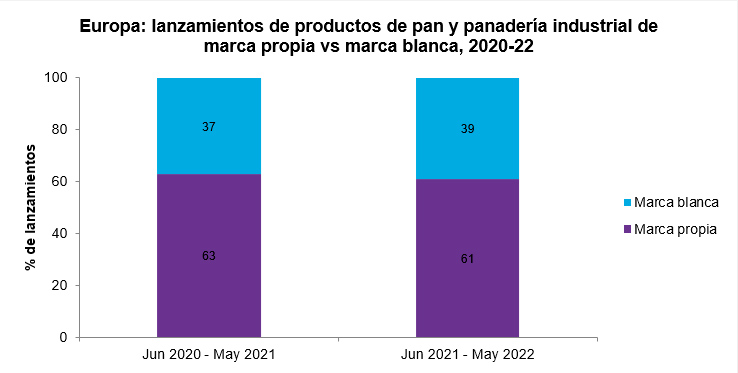
European households are undoubtedly grappling with inflation, as high energy and ingredient prices contribute to a rising cost of living. In food and beverage retailing, reduced household incomes are driving consumers to turn to private label.
While simple private label products have significant value appeal, consumers are receptive to premium private label offerings, especially those that remind them of their favorite brands.
Source: Mintel GNPD
The chart shows how private label accounts for the majority of launches in the sector, but private label represents an increase in the share of activity in Europe this year to May 2022.
2. Health Drives New Trends in Bakery
For many consumers, the pandemic has intensified the importance of maintaining a healthy diet and reducing the risk of disease.
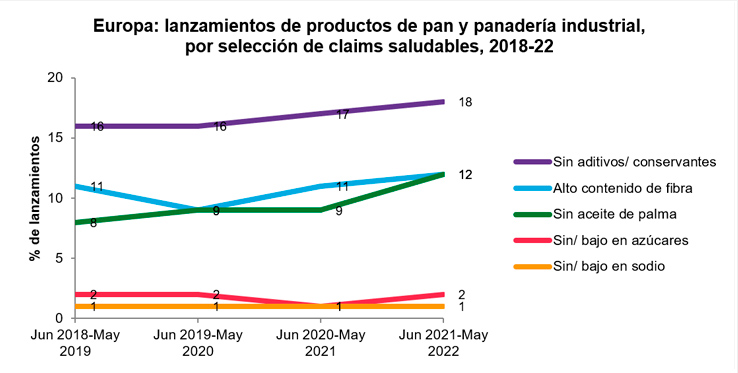
To address this new concern, some of the latest products launched in this market have eliminated artificial additives and preservatives.Claims regarding preservative-free, high-fiber, or palm oil-free products have grown inrecent years.
However, low-sodium and low-sugar options remain a niche market.
Source: Mintel GNPD
3. Sustainability in the Bakery Industry
Sustainability has become one of the leading trends in the baking industry. As consumers become more aware of the impact their purchases have on the health of the planet, they will seek out companies that help them make more environmentally friendly choices.
Companies can take more significant and demonstrable steps to address the climate crisis, or reduce their use of plastic and packaging.
As an example of this trend, some brands employ regenerative farming techniques to protect the soil health of grain crops.
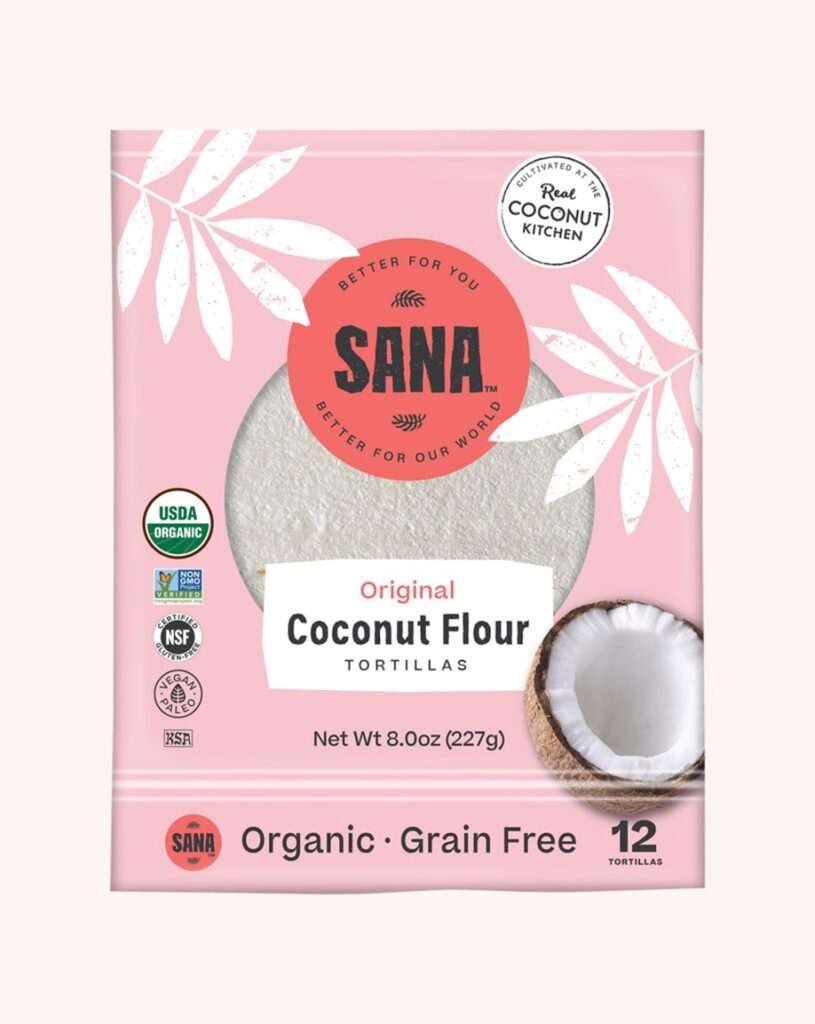
© Sana - Coconut Flour Tortilla (United States)
The producer claims to use plant-based ingredients made from low-impact crops, such as coconut and cassava, which it says are better for the consumer and the planet.
4. Plant-based bread launches are on the rise
Vegan, vegetarian and flexitarian diets were gaining popularity prior to COVID-19, and once the pandemic began, experienced tremendous growth. This is related to increased consumer concern about the environmental impact of meat and dairy production, as well as greater recognition of the importance of a fiber-rich diet.
In response to this new trend, bread manufacturers are innovating around plant-based claims. In addition, as nutrient-rich formulations are an increasing priority for health-conscious consumers, plant-based product options often highlight the health and nutritional qualities of recipes.
OPPORTUNITIES FOR INNOVATION IN BAKERY
After analyzing the main trends in the bakery industry, we’ve identified three opportunities for innovation that can help brands stand out.
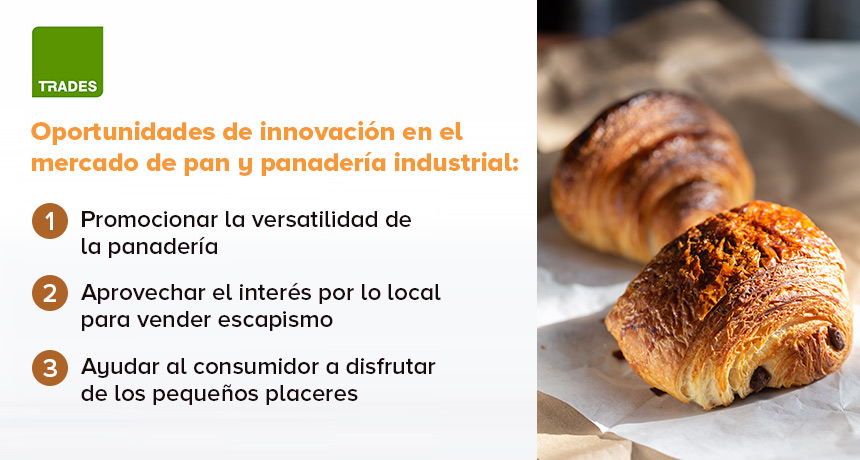
1. Promote the versatility of the market
Bakery brands can make bread even more indispensable by extending consumption moments. More generally, brands can highlight the versatility of their products to adapt to new occasions, such as outdoor cooking, family moments...
2. Capitalize on interest in local issues
The pandemic has led to a rise in "localism" and the bakery sector can take advantage of this to respond to the consumer's quest for authenticity. Focusing on specific culinary heritage can also offer escapism, experimenting with ingredients and flavors from other cultures.
3. Helping the consumer to enjoy again
Finally, after enduring harsh confinement, consumers are eager to step outside their boundaries and explore, play and enjoy novel experiences. They will look for joyful products that help them reconnect with their loved ones.
Meanwhile, in other markets, people are becoming aware of the challenges of rising inflation.
THE FUTURE OF BAKERY TRENDS
Trends in the bakery industry reflect a market that is evolving to meet new priorities related to price, health, and sustainability. For brands, the opportunity will lie in combining these attributes with versatile, appealing products that can offer new experiences to consumers.