
Next year will be a decisive one for the food industry. After several periods marked by inflation, pressure on supply chains and a more rational consumer in their purchasing decisions, the sector is returning to growth... but in a very different scenario than just five years ago.
The market combines positive signals - increased production, dynamism in innovation and growth in tourism - with new challenges such as geopolitical tensions, falling employment rates and profound changes in consumer habits.
At the center of it all is the consumer. A consumer who is more diverse across generations, but surprisingly aligned on one idea: health tops the shopping priority list.
What is already changing and what opportunities does 2026 offer for innovation? This article proposes something very simple: put on your binoculars and see what's coming.
# 12 TRENDS AND OPPORTUNITIES IN THE FOOD INDUSTRY
#1 THE PROTEIN
Protein continues to be a fundamental pillar of wellness. Today, consumers associate them not only with physical performance, but also with holistic health encompassing energy, immunity, body composition and long-term wellness.
The numbers back it up: 3 out of 5 consumers say they are actively increasing their protein intake on a daily basis.
The market is moving in the same direction. Innovations that combine protein + functional benefits have grown by 32%, giving rise to proposals that connect with real needs: from bars that, in addition to providing protein, incorporate benefits for intestinal health, to products designed to improve satiety or support recovery goals.
This boom responds to a clear change: consumers are managing protein strategically, looking for concrete results. Globally, the three main reasons for increasing consumption are:
- Sports performance and recovery
- Immunity
- Weight control
It is precisely the latter that is gaining prominence. Although currently only 5% of launches combine protein with weight control claims, the trend is taking off.
#2 METABOLIC HEALTH
One of the major drivers of this change is the rise of GLP-1 drugs, which are redefining the eating habits of millions of people.
In the United States, 1 in 8 adults report having taken a GLP-1 analog, and forecasts suggest that the number of users could increase significantly in the coming years. In Spain, although the market is still emerging, significant growth is already anticipated by 2028.
These treatments, designed for weight loss and appetite regulation, are generating a very clear consumption pattern:
- You eat less and with a greater feeling of satiety.
- Indulgent snacks and sugary drinks are reduced.
- Increases preference for protein-rich, low-fat, easy-to-digest foods.
Change is just beginning. As metabolic health becomes a priority for a growing segment of the population - with or without medication - demand will grow for products that provide satiety, control, stable energy and digestibility, especially in convenient, everyday formats.

Vital Puirsuit
High in protein, adequate portion size and essential nutrients
United States, May 2024
3# DIGESTIVE HEALTH
Digestive health has become one of the most important aspects of well-being for today's consumers. It is no longer perceived as an isolated aspect, but as the starting point of the body's overall balance. In fact, 6 out of 10 consumers say that gut health is "very important for their whole body", making the digestive system one of the most cross-cutting and cross-generationally shared priorities.
This concern is transforming the market. Food and beverage launches with claims related to digestive health have grown by +42%, driven by categories that had historically had less functional prominence and are now repositioned by providing fiber, probiotics, prebiotics or ingredients that facilitate transit and nutritional absorption.
Fiber: the new ally
If there is a major player in this trend, it is fiber. After years relegated to very specific niches, it is making a strong comeback to become a leading ingredient in innovation:
-
The daily recommendation is 25-30g, but most consumers barely reach 15g. This has driven a continued increase in the percentage of pitches with "high fiber" claims since 2020.
The combination of protein + fiber, especially in snacks, bars, cereals and on-the-go proposals, is positioning itself as one of the formulas with the greatest potential in the market.
4# COGNITIVE HEALTH
Mental health is no longer a secondary issue but a global priority. Today, 1 in 2 consumers say they are concerned about their emotional well-being, and this concern carries directly into their food and beverage purchasing decisions.
In recent years, consumers have redefined what it means to "feel good" to not only be physically healthy, but also to have the mental energy, focus, stress management and emotional stability to cope with daily life. This quest for balance is clearly reflected in the rise of products that promise calm, focus, vitality or mood regulation.
What is the consumer really looking for?
When it comes to mental health, four needs stand out in particular:
- Reducing stress
- Managing anxiety and improving emotional state
- Increase concentration and mental clarity
- Raising energy levels without peaks and troughs
According to the data, the areas of mental health that most concern consumers (stress, anxiety, concentration and energy) do not fully coincide with the areas that are most addressed today by food innovation.
In other words, there is an obvious opportunity to develop solutions that more directly address stress management, emotional calm and emotional well-being.
#5 WOMEN'S HEALTH
Women's health has become one of the fastest growing areas of wellness. It is not a new trend, but one that is maturing rapidly. For the first time, women are demanding food products designed for their real physiological needs, far from the generic approaches of the past.
The data speak for themselves. Among female consumers, the most frequent concerns, in addition to weight (49%) and sleep (47%), are:
From the generic to the specific: a new feminine nutrition
Women are looking for products that provide clear, obvious and relevant benefits for their daily lives. It is no longer a question of "light products", but of solutions with a specific physiological purpose.
These range from ingredients that support hormone balance (omega-3, lignans, key minerals, B and D vitamins) to offerings that support mood, rest and digestive health.
Menopause is no longer taboo and is now innovation territory. Consumers are looking for foods and beverages that provide satiety, energy, metabolism support, inflammation reduction, mood benefits, and bone and muscle health.
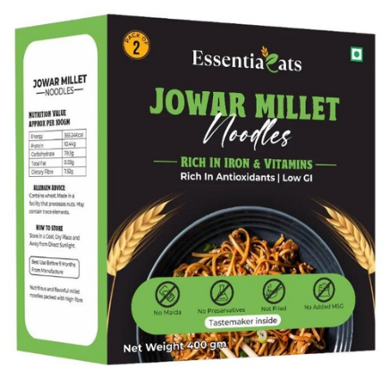
Essentia eats
Noodles rich in iron and vitamins. Rich in antioxidants. High in fiber.
India, May 2025
#6 BEAUTY FROM WITHIN
The boundary between nutrition, beauty and wellness is increasingly blurred. In 2026, food becomes a key tool to "look and feel good from the inside out" and consumers are looking for products that support their skin, hair, nails and overall vitality through functional ingredients.
The most telling fact: global launches with skin health-related claims have grown by +13% in the last two years. And, at the individual level, 1 in 3 consumers are specifically looking for collagen in functional foods and beverages to improve their appearance.
Leading ingredients in this trend
- Collagen
- Biotin (B7)
- Hyaluronic Acid
The difference is that these ingredients no longer appear alone, they are integrated with proteins, fiber, vitamins or low sugar/low calorie options to offer more complete benefits.
Did you miss the webinar on Food Trends 2026?
Here you can access both the full live stream and the presentation.
#7 DRINKS WITH PURPOSE
Beverages have become one of the most powerful vehicles for functionality. Beyond hydrating, they now play an active role in wellness, providing energy, mental clarity, protein, fiber, probiotics or emotional benefits.
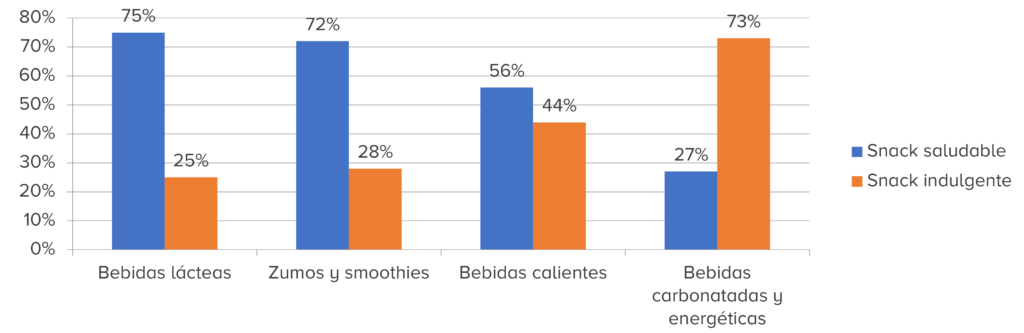
The trend is clear: 51% of consumers have increased their consumption of beverages because they perceive them as healthier, and this is redefining the category. Beverages are becoming "liquid snacks", a tool to modulate mood or a quick way to integrate nutrients into everyday life.
When we look at what benefits they seek, several very clear claims stand out:
Beverages perceived as healthy snacks vs. beverages perceived as indulgent snacks
The chart compares how consumers perceive different types of beverages:
whether they see them as healthy snacks (blue bars) or as indulgent snacks (orange bars).
#7 INDULGENCE
No longer just a whim
In 2026, it is redefined as an emotional space that combines pleasure, comfort, sensoriality and well-being. Consumers want to enjoy... but they want to do it better. They do not renounce taste, but they do demand more balanced, more honest and more in line with their lifestyle.
The data confirms that launches with indulgence-related claims have grown by +26%, driven by the search for richer, more nurturing and memorable experiences.
Sensoriality: indulgence becomes "emotional premium".
Today's consumer is looking for surprising textures, contrasts and multisensory sensations. Examples that should inspire innovation:
- Crunchy layers combined with creamy fillings
- Mixed temperatures and textures
- Reformulated snacks to offer more flavor for less quantity
- Unexpected combinations that arouse curiosity
#8 TRENDY FLAVORS
Flavor is once again at the center of food innovation. In 2026, consumers are not just looking for "something tasty" but for flavors that make them feel something.
The choice of flavor becomes an emotional tool capable of elevating mood, calming, energizing or transporting to a memory.
The data makes it clear that consumers choose different flavors based on how they want to feel: happy, relaxed, healthy or energized. This emotional connection opens up a new avenue for innovation where taste not only gives a product identity, but also purpose.
Flavor as a state of mind
One of the most interesting findings of the study is how consumers associate emotions with specific flavors:
"Brown flavors (caramel, cocoa), berries and summer fruits.
Coffee, tea, tropical fruits.
Apple, pear, berries, tea.
Soft coffee, tea, warm and creamy tones.
Beyond the taste: the complete experience
- Creamy + crunchy
- Temperature + texture
- Layers and surprises
- Enveloping aromas
- Color and aesthetics.

Gnaw
Inspired by the classic British dessert sticky toffee pudding, it combines soft caramel, toffee and sweet, buttery notes.
United States, November 2024
#9 PLANT-BASED AUTHENTIC
Plant-based is entering a new phase. After years focused on "imitating" animal protein, consumers are starting to look for something different.
55% of consumers believe that plant-based products should be separate categories, not alternatives. This means that plant-based is starting to gain its own identity and no longer being constantly compared to meat or dairy.
One of the reasons for this shift is the growing concern about processing. In 2024, over-processing was the 5th biggest consumer deterrent; in 2025 it is already the 3rd.
New plant-based products are not just sold as substitutes. They are valued for what they provide: fiber, antioxidants, digestibility, balanced nutritional profile and added functional benefits.
#10 SNACKIFICATION
Snackification is a new way of eating. In 2026, the consumer combines fast-paced workdays, hybrid work and constant multitasking, making snacking a key part of the daily routine.
Today, more than 53% of consumers prefer "on-the-go" options, driving a steady growth in snacks that deliver nutrition, convenience and pleasure at the same time.
It's no longer about snacking. Snackification redefines the food structure: more consumption moments, smaller portion sizes and higher expectations about what a snack should provide.
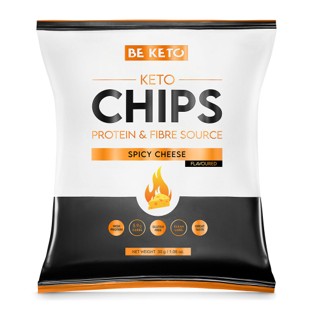
Be keto
Ketogenic chips are high in protein, low in carbohydrates and made with organic ingredients.
United Kingdom, 2021
#11 RENEWED TRADITION
In a world marked by uncertainty, tradition is once again gaining prominence. Consumers are looking to reconnect with the familiar, the authentic and the familiar. Traditional cuisine -that which evokes home, identity and roots- becomes an emotional refuge... but with a renewed outlook.
In fact, "maintaining and performing traditional recipes" is the No. 1 food value for the global consumer (23%), according to the study data. It's not nostalgia, it's a search for confidence, stability and meaning in everyday food.
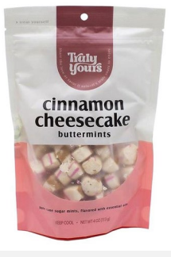
Truly yours
Cinnamon cheesecake flavored buttermints.
United States, February 2025
#12 SUSTAINABILITY
Sustainability is no longer an add-on, nor an inspirational message accompanying the product. In 2026, it becomes a decisive purchasing criterion and a key element in building trust.
Consumers demand that brands justify their decisions, and they want to see concrete commitments, not vague promises.
According to the data, 2 out of 5 consumers say that sustainability is important when buying food and beverages. And this concern translates directly into the market, with launches with claims related to sustainability and human ethics growing by +13%.
But the big evolution is not in volume, but in the nature of demand. Consumers are no longer satisfied with green labels or generic messages. They expect visible and practical evidence, both in the origin of ingredients and in processes and packaging.
Sustainable commitment must be tangible and credible. Among the most valued aspects are:
But the big evolution is not in volume, but in the nature of demand. Consumers are no longer satisfied with green labels or generic messages. They expect visible and practical evidence, both in the origin of ingredients and in processes and packaging.
- Environmental protection
- Better product quality
- Sustainable and reduced packaging,
- Ethical and traceable origin
- Support to local farmers
These expectations mean that brands that authentically integrate sustainability quickly differentiate themselves from the rest.

Looking for ingredients to develop a product in line with new trends?