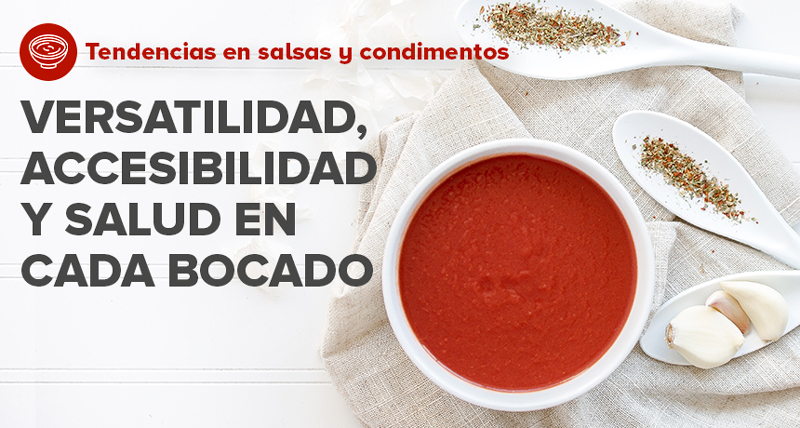
Trends in sauces and condiments are evolving to meet the needs of consumers who are looking for products that offer better value for money, more natural formulations, and more versatile solutions. In a climate marked by inflation, supply chain disruptions, and changing consumer habits, brands must innovate to continue delivering value.
Sustainability, natural ingredients, convenience, and customization are some of the factors that are transforming the market. In this article, we analyze the main trends in sauces and condiments and the opportunities for innovation that will shape the future of the category.
TOP TRENDS IN SAUCES AND CONDIMENTS
Value for money as a priority
One of the main trends in sauces and condiments is consumers’ search for better value for money. Rising inflation fueled by the pandemic, supply chain issues, and the conflict in Ukraine are eroding consumers’ purchasing power, forcing them to adjust their buying behavior by cutting back on spending and seeking better value for money.
For this reason, sauce manufacturers should not focus exclusively on savings as they run the risk of being perceived as 'low quality', but should focus on conveying value benefits and justifying their premium prices with more convenient formats.
Search for more natural options
Consumers are increasingly scrutinizing product labels and ingredient lists, including in the sauces market, in search of healthier, more natural options that suit their particular dietary needs and concerns. They place importance on products that are as unprocessed as possible and have a recognizable ingredient list.
Organic sauces and condiments have seen aboomin recent years, but they come at a high cost, and consumers are opting for more affordable products.
As a result, brands shouldcapitalize on this trend by usingnatural ingredientsand reducing additives and preservatives rather than relying on organic ingredients.

Source: Mintel GNPD - A year of innovation in cooking sauces & seasonings, 2023.
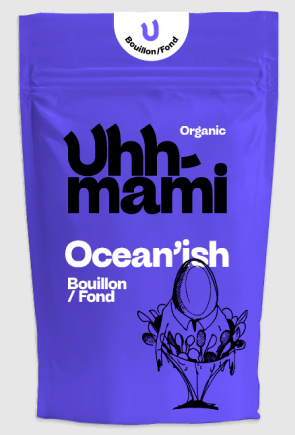
Uhh-mami Organic Ocean'ish. Organic broth (Denmark) - Developed from natural plant extracts. The organic product is suitable for sauces, dressings and vegetables, and contains no allergens or colorants.
Sustainability beyond packaging
Sustainability remains one of the trends in sauces and condiments with the greatest impact on product innovation. Consumers expect companies to make significant changes to help address the climate crisis. As a result, brands of cooking sauces and condiments are taking steps to reduce the environmental footprint of their packaging by redesigning containers to use fewer materials and incorporating bioplastics and recycled materials, in addition to supporting climate initiatives.
In the following graph from Mintel's A Year of innovation in Cooking Sauces & Seasonings report, we can see how claims about sustainable packaging have been growing over the last 5 years:
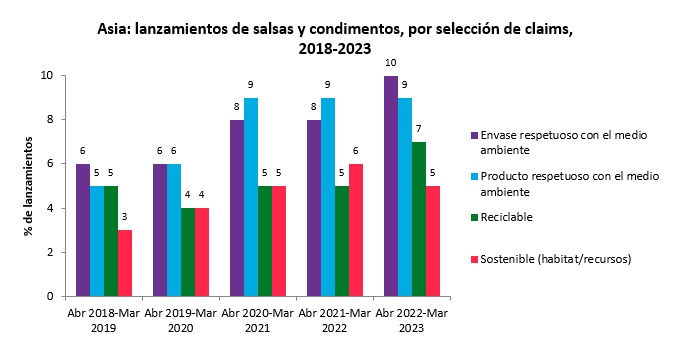
Source: Mintel GNPD - A year of innovation in cooking sauces & seasonings, 2023.

Ottogi Teriyaki Sauce (South Korea) - It is packaged in a Bio PET container with 30% plant-based plastic and a 20% reduction in carbon dioxide emissions.
Improving the consumer experience
In an increasingly connected world, consumers are turning to social media for cooking inspiration, new recipes or presentation suggestions. By doing so, brands are helping to speed up and simplify meal preparation and are taking advantage of this by adding links or QRs on packaging that guide them to your website and the digital world.

© Melróse Origins. Freeze-dried chicken bone stock pumps (Australia) - Freeze-dried to retain all the nutrients, and each pump yields 250 ml of delicious and convenient stock (Australia).
Versatile sauces and condiments
Consumers are looking for sauces and condiments with a variety of uses and are looking for new and exciting flavor innovations to combine home-cooked meals with new experiences.
It is usual to add sauces to vegetables, carbohydrates and proteins, but with the growing demand for new usage occasions, brands can innovate around the application of their products, such as dressings, dips or spreads.
Source: Mintel GNPD, April 2019 - March 2023.
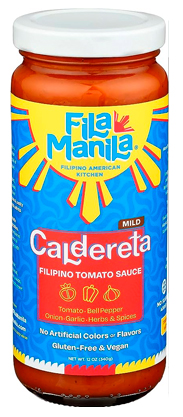
Fila Manila Mild Caldereta Filipino. Tomato sauce (United States) Can be added simply to meat, seafood or vegetables, or used as a dipping sauce, bread spread, dip or condiment for rice, beans, soups, chili and stews.
Meeting dietary needs
Brands recognize the diversity of consumers' dietary needs because they are more aware and understand better how diet affects their physical and mental health.
While vegan, vegetarian, keto and paleo diets are relatively specific, consumers are more willing than ever to experiment with this lifestyle to determine what suits their individual needs. As a result, innovation revolves around specific recipes or diets and claims are added to packaging.
OPPORTUNITIES FOR INNOVATION IN SAUCES AND CONDIMENTS
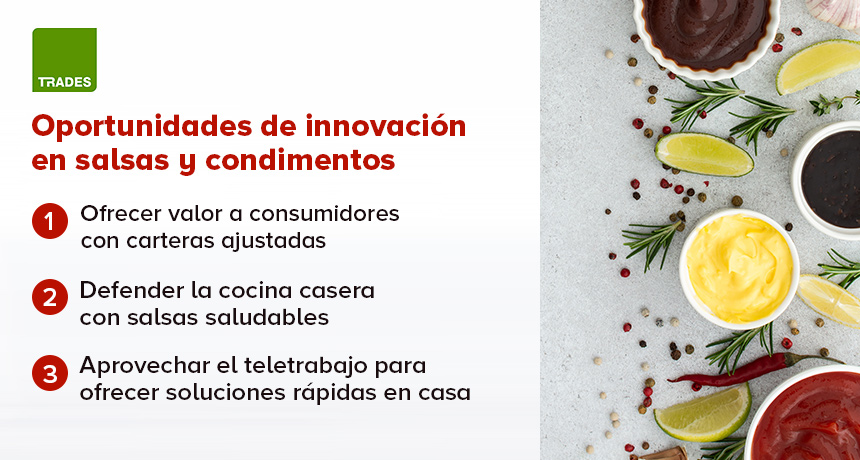
Considering the trends in the sector, the experts of the Mintel platform highlight three opportunities for innovation in the sauces and condiments market:
1. Provide value to consumers on tight budgets
As long as budgets remain tight, sauce brands will need to demonstrate greater empathy toward consumers’ financial situations—for example, by highlighting financial benefits such as energy savings or cost savings compared to other solutions.
2. Promote home cooking with healthy sauces
Consumers are starting to cook in a healthier and more natural way. Sauce brands can focus on broader areas of functional and holistic health, as well as offer more “homestyle” solutions to stay competitive.
3. Take Advantage of Remote Work to Offer Quick Solutions at Home
Sauce brands should openly highlight quick and affordable solutions, offer new suggestions for using their products at lunch—such as salad dressings or sauces—and help consumers repurpose leftovers.
THE SAUCES AND CONDIMENTS MARKET IN SPAIN
Although the socioeconomic context hinders the growth of the food industry, the sauces and condiments sector is an innovative market, with a large number of launches year after year. As it is an attractive category and has a great capacity to adapt to consumer trends and needs, everything indicates that launches will continue with a positive trend.
In Spain, the sector is in good health. In fact, leaving aside fried tomato - with an already well-established track record - the sauces and condiments market has been recording an upward curve since 2013. (Alimarket, Sauces Sector Report 2022).
The current key to the sector, beyond adapting to the consumer's pocket with more affordable solutions, is focused on the segment called "other sauces", which includes the wide range of new flavors that has been developed in recent years: barbecue sauces, Asian sauces...
THE FUTURE OF TRENDS IN SAUCES AND CONDIMENTS
Trends in sauces and condiments point to a constantly evolving category, driven by innovation, sustainability, and the pursuit of unique dining experiences. Brands that combine natural ingredients, versatility, and convenience will be best positioned to meet new consumer demands.