Plant-based trends are transforming the beverage, yogurt, and ice cream markets. More and more people are choosing plant-based products, a trend that addresses two of today’s major consumer concerns: health and sustainability.
In these categories, innovation in plant-based products focuses on improving perceptions of flavor and texture. The goal is to create end products that are increasingly appealing and similar to their animal-based alternatives.
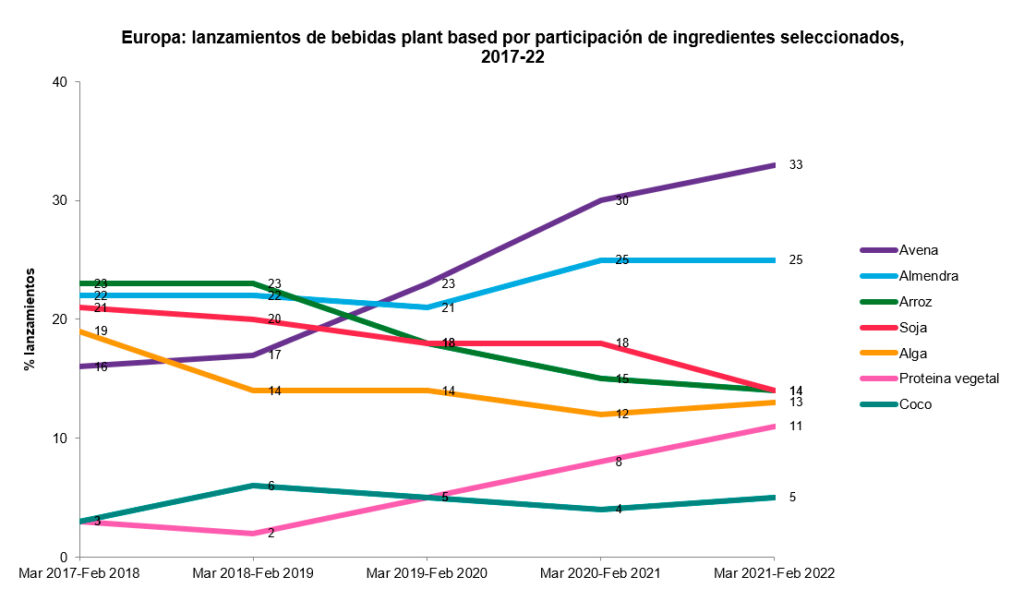
In the European market, oats continue to gain market share as a base ingredient in new plant-based beverage launches. In addition, alternatives made from peas and potatoes are emerging, while claims related to sustainability, naturalness, and texture quality are gaining prominence.
Let's take a look at the main plant-based trends that are shaping the evolution of this market.
PLANT BASED TRENDS IN THE BEVERAGE, YOGURT AND ICE CREAM MARKETS
1. Plant-based oat products are on the rise
Oats have long been the star ingredient in plant-based beverage alternatives, aided by their reputation for being relatively nutritious and planet-friendly, as well as for their flavor profile. However, consumers are reluctant to compromise taste and texture for something they believe lacks value-for-money appeal, as they perceive plant-based milks to be more expensive.
Despite this barrier, launches with oat ingredients continue to increase, as companies capitalize on consumer awareness of their positive health and green credentials.
Source: Mintel GNPD
The graph shows a boom in the launching of oat-based beverages of vegetable origin. The presence of algae is partly related to the use of carrageenan-based stabilizers in certain beverages.
2. Sustainability: At the Heart of Plant-Based Innovation
While it is widely accepted that plant-based dairy alternatives have a significantly lower carbon footprint than their dairy equivalents, many consumers are not entirely convinced or confident. This reflects the need for brands to continue to dedicate marketing efforts to create a narrative that empowers consumers in the fight against the climate crisis.
Among the plant-based trends related to sustainability, the rise in ethical and environmentally friendly claims stands out. Companies producing plant-based beverages, yogurt, and ice cream are responding to consumer interest in more socially responsible and sustainable business models.
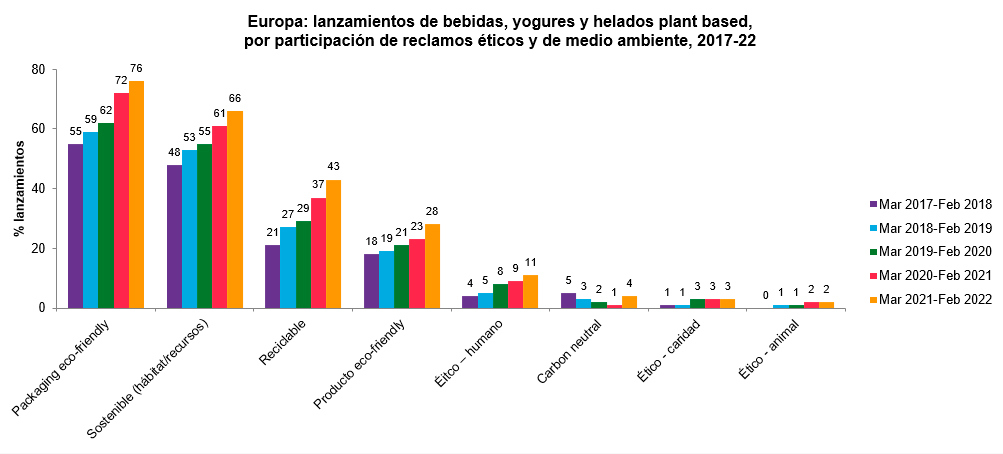
Source: Mintel GNPD
While eco-friendly habitat and packaging claims are probably to be expected in these categories, it is also interesting to note the increase in ethical-human claims, and also the scarcity of animal welfare claims.
Also, some companies opt for business models with a positive impact on sustainability, such as the circular economy to extend the life cycle of products, materials and resources of a production model; or the reuse of ingredients to minimize waste and avoid food waste.

© Cabosse Naturals – a global expert in cacao fruit. They use up to 100% of the cacao fruit, whereas previously only the seeds were used and 70% of the fruit was discarded.
3. Plant based ice creama guilt-free indulgence
Plant-based ice cream continues to be a niche, although the sector has experienced a boom in the last 5 years.
The "natural" and "guilt-free" claims saw a jump in launches, aligning with consumer interest in clean label and guilt-free recipes.
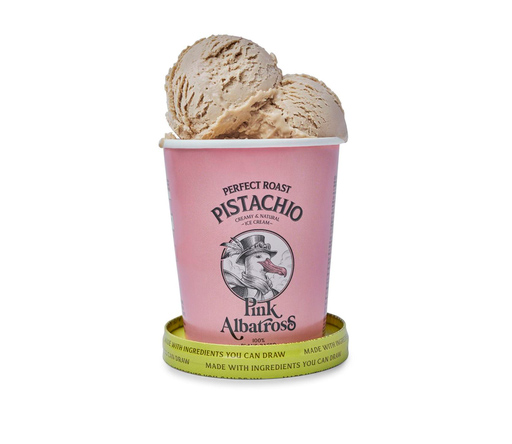
Pink Albatross - plant based and gluten free ice cream, made only with natural ingredients.
Innovation opportunities in plant-based ice cream, beverages and yogurts
Now that we know the main trends, we highlight three key food industry innovation opportunities for the sector.
Promote the consumption of plant-based beverages, beyond coffee.
Plant-based beverage brands will use the enthusiasm for 'creamy' products to expand their use beyond coffee. They will also look to appeal to breakfast and home cooking enthusiasts, where dairy beverages have a strong presence.
To further express the fiber content of plant-based yogurts
For consumers of plant-based dairy products, fiber content is often an important factor of choice. Therefore, plant-based yogurts can take advantage of their known ingredients as a natural source of fiber, offering health, nutrition and wellness benefits.
Most frequent health claims in ice cream
Finally, brands will need to leverage the health halo surrounding plant-based products and brand health credentials in plant-based ice cream to drive growth in this niche.