In the aftermath of the pandemic, concern for immune health has been growing and consumers are looking for specialty nutrition products that provide a benefit to them. Did you know that in 2019, 53% of consumers wanted to improve their immune system and this percentage grew to 70% by 2020?
In this scenario, brands are responding with new launches that strengthen and support the immune system, as well as continuing to address sustainability concerns, with more environmentally friendly packaging and production methods.
Also, sports and performance nutrition brands are highlighting hydrating properties and the use of electrolytes in their products to satisfy interest in enhanced hydration.
In this article we will discuss the main trends in the specialized nutrition sector and what business opportunities are emerging in the market.
3 TRENDS IN THE SPECIALIZED NUTRITION MARKET
1. Immunity and gut health as the main focus of innovation 2.
COVID-19 accelerated consumers' intentions to adopt a healthier diet and have a strong immune system. While immune-supporting claims capture consumer attention, gut health is increasingly present, driven by ongoing research and media coverage of its vital importance to overall physical and mental well-being.
In turn, brands in this sector are taking advantage of the demand for products fortified with vitamins and minerals.
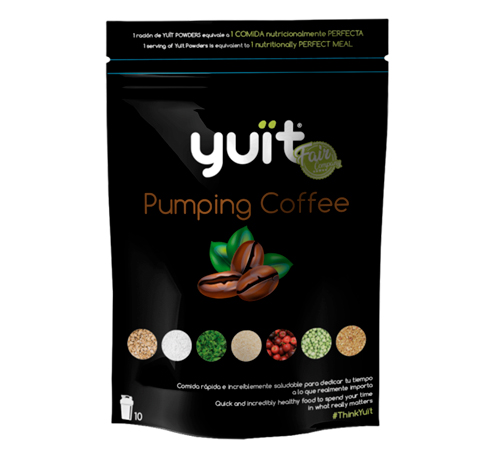
Yuït - powdered food equivalent to a nutritionally complete meal (Spain)
Each package contains protein, fiber and essential fats, plus 31 vitamins and minerals and probiotics. Non-GMO, gluten-free, 100% plant-based ingredients, nutriscore A and low in sugar.
In the last two years, immunity claims have grown substantially in specialty nutrition launches in Europe, while the proportion of digestive claims has shown a more modest upward trend.
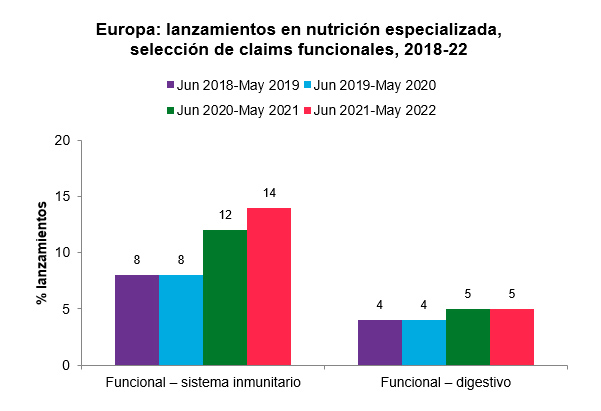
Source: Mintel GNPD
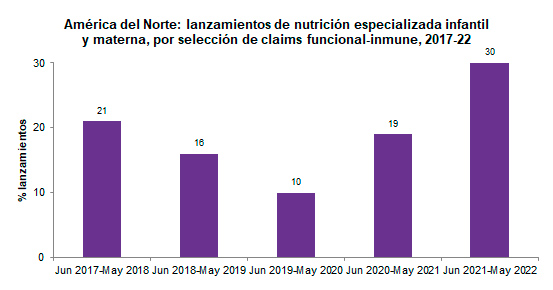
On the other hand, immunity claims see a recent increase in infant and maternal nutrition in the wake of the pandemic, not only in Europe but also in North America.
Source: Mintel GNPD
2. Focus on sustainable packaging and production
Environmentally friendly packaging claims have been key to sustainable initiatives in specialty nutrition. And while consumers expect brands to reduce their use of plastic and packaging, they are gradually turning to brands that take more meaningful steps to address other aspects of the climate crisis beyond plastic pollution, such as sourcing renewable energy or carbon-neutral production.
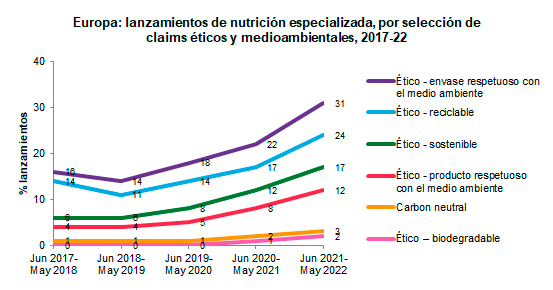
Ethical and environmental claims have grown steadily across the board among specialty nutrition launches in Europe over the past five years.
Environmentally friendly packaging dominates sustainability claims, although more niche claims, such as carbon neutral, are beginning to emerge.
Source: Mintel GNPD
It is worth noting that ethical and environmental claims are more present in the specialized infant and maternal nutrition category, while innovations in sports and performance nutrition lag slightly behind.
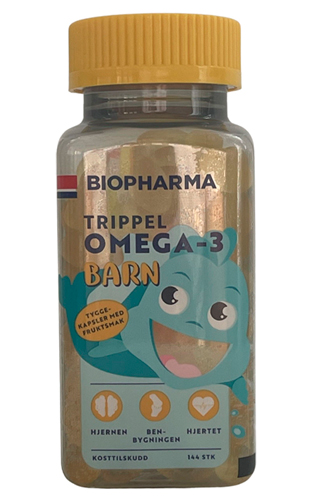
Biopharma - Triple Omega-3 fruit flavored chewable capsules for children (Norway)
Contributes to proper brain, bone and heart development. The product has been repackaged in a pack made from 100% recycled plastic.
3. Consumers are willing to adopt products that offer enhanced hydration.
According to the Centers for Disease Control and Prevention (CDC), staying hydrated helps "regulate body temperature," lubricate joints, protect sensitive tissues and eliminate waste. While water is the recommended way to stay hydrated, consumers who have certain medical conditions, live in hot climates or engage in high-intensity physical activity seek specialized beverages to help them stay functionally hydrated.
In the highly competitive specialized sports performance nutrition market, brands are increasingly highlighting inherent and additional benefits, such as hydration and the presence of electrolytes, in an attempt to differentiate themselves and generate interest. This is especially present in the sports water and energy drink categories where electrolytes are becoming a key focus of innovation.
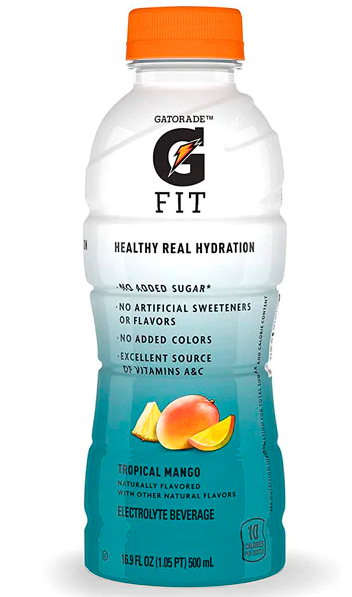
© Gatorade G Fit - Energy drink with electrolytes (United States)
It is described as a healthy hydration drink and contains electrolytes from watermelon and sea salt .
Innovation opportunities in specialized nutrition
These are the three main innovation opportunities for this market, according to Mintel experts.
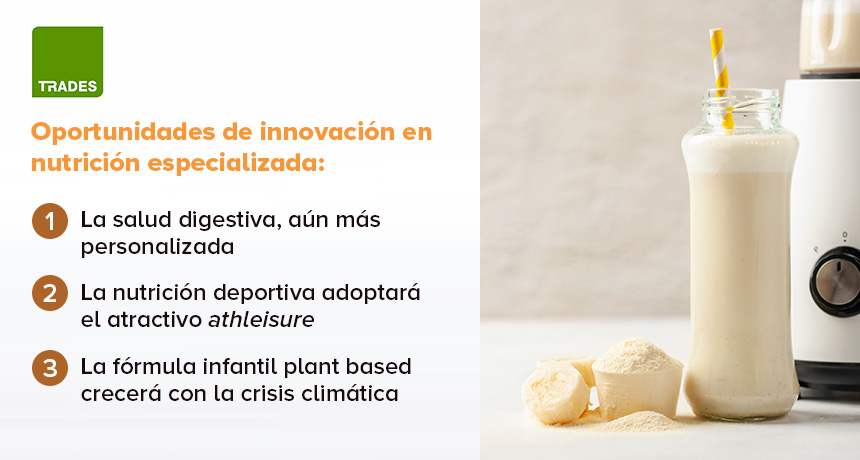
1. Digestive health, even more personalized
Consumer awareness of gut health and mastery of gastric conditions will ensure that personalized nutrition remains a key trend. Personalization brought into the home will allow consumers to take health and preventive nutrition into their own hands.
2. Sports nutrition will embrace athleisure appeal
Sports nutrition brands will use strategies that made athleisure (a sporty lifestyle combined with a touch of elegance and sophistication) a phenomenon to bring performance nutrition into a more elegant context, ideal for 100% connected consumers.
3. Plant based infant formula grows with the climate crisis.
Dairy-free infant formula is currently niche, but pressure for consumers and brands to adjust to a lower-carb lifestyle will ensure this sector grows. Brands are already experimenting with plant proteins beyond soy, enabling greater variety in hypoallergenic formulas.