
Trends in dietary supplements and functional foods have evolved significantly since the pandemic, which had a profound impact on our lives and habits. During the most restrictive period, there was an increase in unhealthy habits due to food supply issues, the need for comfort food, and a lack of exercise.
Since then, we have all become more aware of the need to take care of our overall health and well-being and to prevent potential illnesses. In fact, 6 out of 10 consumers say they are more conscious of their health and well-being as a result of COVID-19. Of those, 73% say they will try to eat and drink more healthily. (FMCG Gurus, Global Survey 2020)
In this context, trends in dietary supplements and functional foods reflect an increasingly holistic view of health, in which immune, digestive, and cognitive well-being are closely linked.
TRENDS IN SUPPLEMENTS AND FUNCTIONAL FOODS FOR GLOBAL HEALTH
Consumers recognize that all elements of health are interrelated and should not be treated individually, but holistically: immune health allows us to live healthier for longer, taking care of our digestive system is closely related to overall health, and finally, cognitive health allows us to enjoy mental well-being (managing stress, having a healthy sleep cycle, having the ability to concentrate...).
By consuming functional ingredients incorporated in food and drink, or through food supplements, we can take care of our overall health. Let's take a look at the different trends in each market.
"89% of global consumers prefer to take care of their health through food and beverages as they are wary of food supplements, not seeing them as "natural" and believe they may have side effects" (FMCG Gurus, Global survey 2020)
TRENDS IN FUNCTIONAL FOOD
IMMUNE HEALTH
Among trends in dietary supplements and functional foods, immune health has taken on a particularly important role. In the wake of the pandemic, consumers became more determined to follow a healthier diet to keep their immune systems strong and resilient. Today, although the immediate threat of COVID-19 has subsided in Europe, consumers continue to seek out products that help them take preventive measures to protect their health.
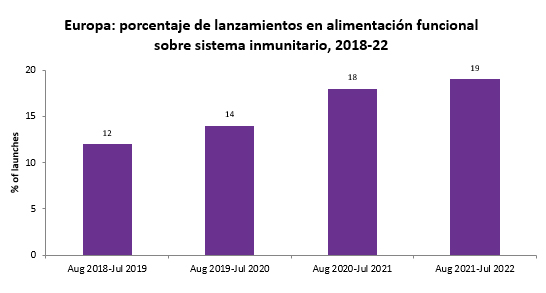
Source: Mintel GNPD, August 2018-July 2022.
This graph shows how launches with functional claims on immunity have progressively increased from 12% in 2018 to 19% in 2022.
Analyzing these launches, we can divide them mainly into two groups:
- Functional products that are fortified with vitamins, minerals or other ingredients.
- Products that include ingredients that inherently boost immunity, such as turmeric. Consumers see this group as more "natural" and therefore have a preference for it.
Featured immunity releases
The launches where this claim is most established are dairy, beverages and sports nutrition. However, we are also seeing an increase in other sectors, such as ready meals and candies.
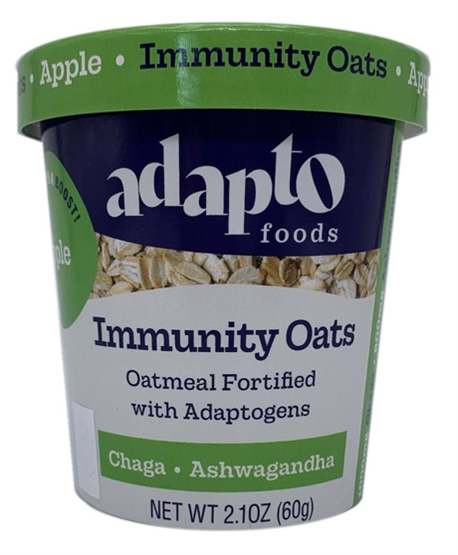
©Adapto Foods (USA)
This brand has a range of oat flakes supplemented with different herbal ingredients such as Ashwagandha, Ginkgo, Maca and ingredients from mushrooms such as Chaga or Reishi. The combination of Chaga and Ashwagandha mushrooms, help the immune system and stress relief.
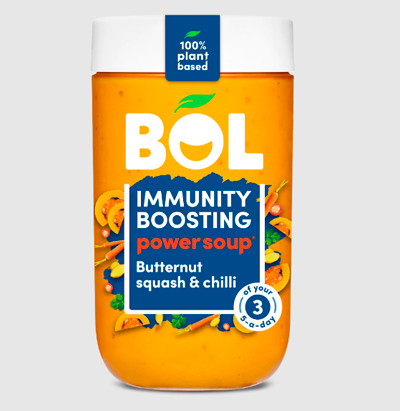
Bol Foods - immunity boosting (UK)
The BOL Foods brand in the UK is known for offering soups, smoothies and different types of ready-to-eat ready meals.
In 2022, it launched a soup based on pumpkin, turmeric and chili that aims to boost the immune system.
DIGESTIVE HEALTH
Digestive health is another major concern for consumers. According to the consumer trends platform FMCG Gurus, nearly half of the consumers surveyed in 2020 (20,000) reported that they are dissatisfied with their digestive health. This could be influenced by several factors, such as an aging population, a sedentary lifestyle, or poor dietary habits.
On the other hand, consumers are aware of the implications of poor digestive health, with the following being their greatest concerns: bloating and abdominal pain caused by gas, constipation, and irritable bowel syndrome (IBS). As a result, taking preventive measures through products that promote gut health has become a priority for consumers.
At the same time, a growing body of research confirmsthe importance of the relationship between the microbiota and our digestive health. Themicrobiota not only has a direct effect on the digestive system but is also indirectly linked to neurodegenerative diseases, sleep problems and stress, obesity, diabetes, cardiovascular health, and even various types of allergies.
Digestive health highlights
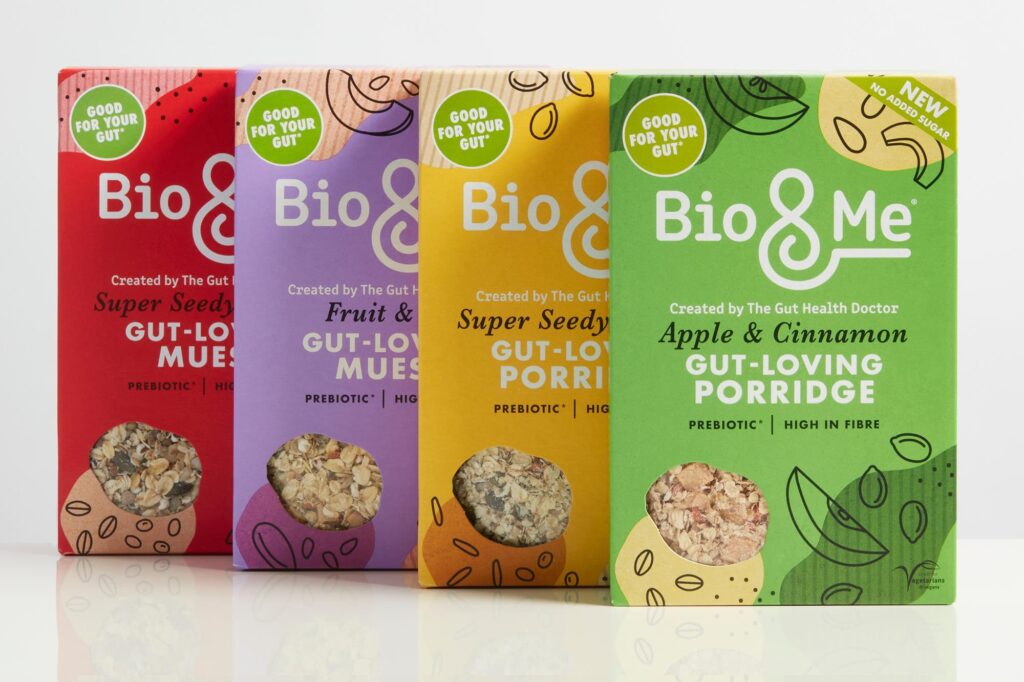
Bio&Me - Gut-loving porridge range (UK)
These cereals offer "Happiness" to our inner self, taking care of our digestive system thanks to the prebiotic fiber content.
This product captures very well several market opportunities as it focuses on microbiota care through ingredients recognizable by the consumer and does it through a product easy to incorporate into the diet, mainly during breakfast (one of the consumer's favorite moments).
COGNITIVE HEALTH
In modern life, most people try to do as many activities as possible in the same day. We always seem to be short of hours. This can prove to be a problem in finding moments of rest, relaxation and disconnection, indispensable to take care of our sleep and mental health. According to FMCG Gurus, during 2019, 53% of consumers reported suffering from sleep disorders and 57% reported having stress problems.
On the other hand, recent studies have shown how the gut microbiota can influence our brain and mental well-being through the so-called brain-gut pathway. This opens the door to the possibility of positively influencing our mental health through the digestive system, and therefore, through nutrition.
Cognitive health highlights
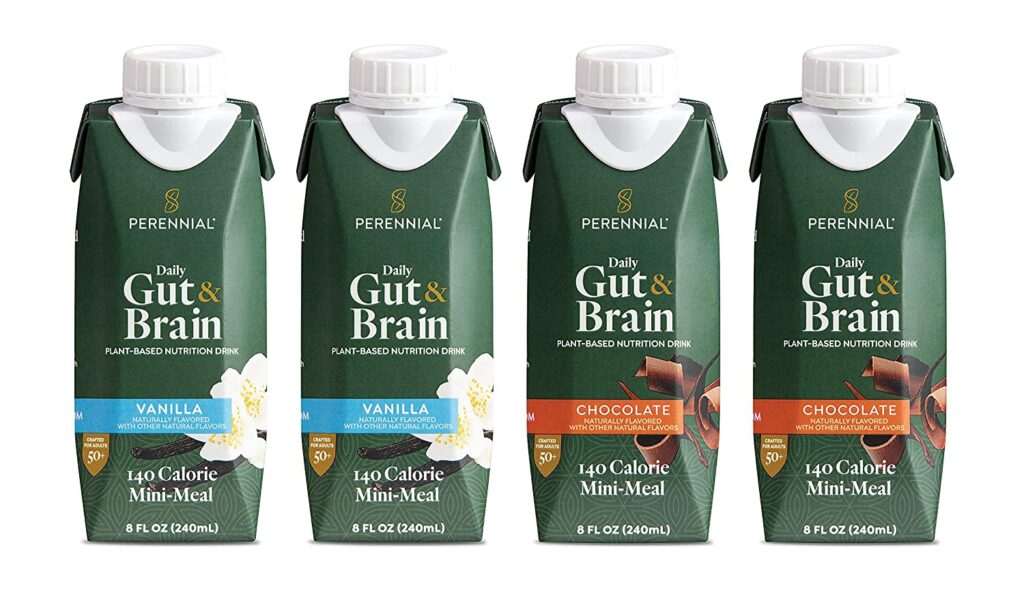
© Perennial Daily Gut & Brain Health - Non-dairy drink (UK)
This plant based drink made from pea protein, soy and rice contains a patented combination of prebiotic fiber and Omega 3, which promotes digestive, bone and cognitive health.
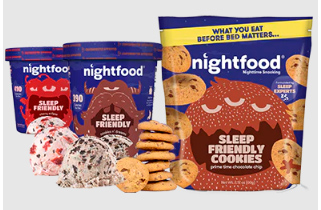
© Nighfood - ice cream and cookies (United States)
This is a range of ice cream and cookies that, according to the manufacturer, promote restful sleep and claim to offer an indulgent, guilt-free nighttime snack because, while improving sleep, they contain less sugar and fat than a standard product.
In ice cream, for example, the formulations include more tryptophan, calcium, magnesium and zinc than traditional ice cream. And cookies contain more vitamin B6 and inositol.
TRENDS IN FOOD SUPPLEMENTS
The food supplements sector has been on an upward trend for years.
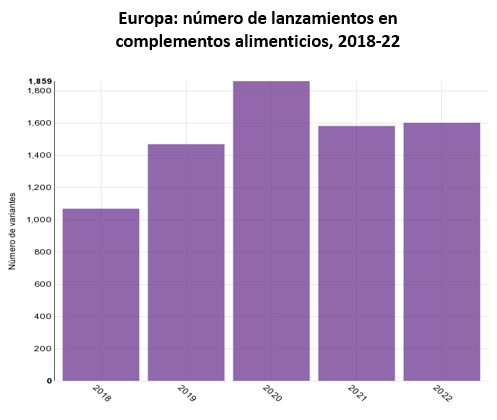
Source: Mintel GNPD, 2018-2022.
In 2022, the Foods Supplements Europe (FSE) association conducted a Europe-wide study involving more than 13,000 consumers from which they were able to draw important conclusions:
- Spaniards lead Europe in terms of confidence in the food supplement industry, behind only Italy and the Netherlands.
- 88% of European citizens claim to have taken a food supplement at some point in their lives. While 93% of this group say they have done so in the last year.
- The most popular formats are tablets and capsules (approximately 67%), although we are seeing an increase in the gummy format (only 26%).
- The most demanded products are: vitamin D, vitamin C, magnesium.
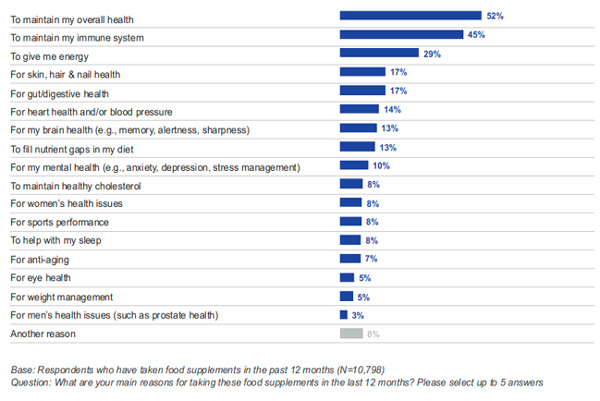
Source: FDE, 2022
The same study by Food Supplements Europe outlinesthe main reasons for taking dietary supplements:
- Maintaining good general health
- Maintaining the health of the immune system or other factors such as increased energy
- Hair or nail care
- Improved digestive and cardiovascular health
However, the main reasons for not consuming them are price and distrust due to the lack of knowledge of the ingredients they contain.
Featured immunity releases
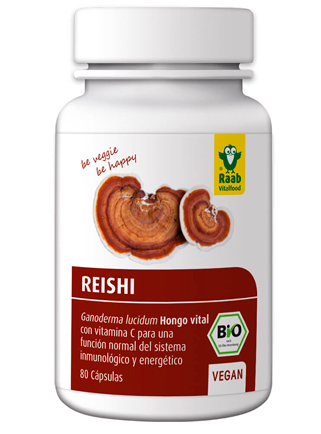
Raab Vitafood - Reishi (Germany)
Food supplement in capsule form. Contains reishi mushroom extract (49%) and natural vitamin C from Acerola (29%). Contributes to a normal function of the immune and nervous system.
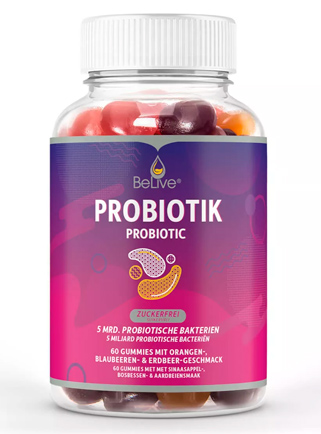
BeLive - Probiotic (United States)
Probiotic gummy whose main function is digestive care. It is indicated for adults and children. In addition to this reference, the range also has other functional gummies, for example with Omega for cognitive care or multivitamins.
The Future of Supplements and Functional Foods
Trends in dietary supplements and functional foods reflect a growing consumer interest in taking a preventive and holistic approach to health. Immune, digestive, and cognitive health will continue to drive the development of ingredients and solutions capable of meeting these new needs.