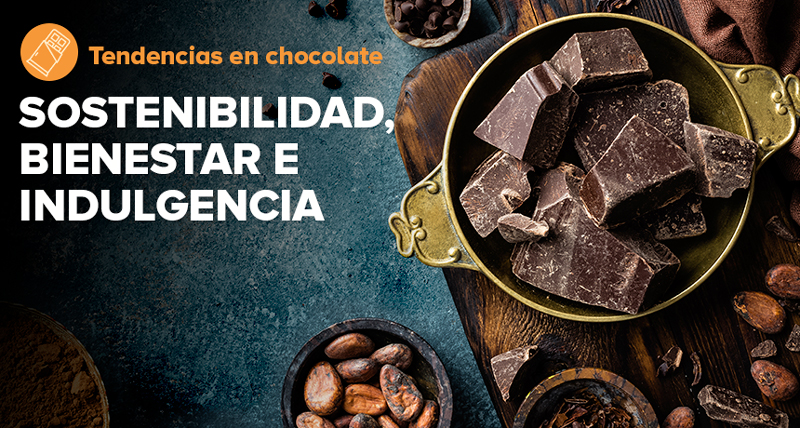
Sustainable chocolateis gaining prominence as consumers become more environmentally conscious and interested in a healthier lifestyle. At the same time, chocolate continues to offer a virtually endless variety of irresistible flavors, colors, and textures.
This trend is driving “responsible innovation,” based on products with a better nutritional profile, functional ingredients, and a lower environmental impact. We’re also seeing products with a higher percentage of cocoa, less sugar, lactose-free alternatives, and more efficient use of raw materials.
In this article, we explore how sustainable chocolate, well-being, and indulgence are transforming the industry and creating new opportunities for brands.
SUSTAINABLE CHOCOLATE: TRENDS AND OPPORTUNITIES
THE BEST FOR THE PLANET
Consumers are increasingly concerned about the environmental impact of their purchasing decisions, and this trend is also evident in the chocolate market.
As a result, companies in the sector can take advantage of this opportunity toadopt sustainable practices in their production processes and use eco-friendly packaging.
On the other hand, the use of recycled ingredients is an emerging opportunity in this area. Upcycling is the process of transforming waste materials or by-products into new products of better quality or environmental value. This approach not only reduces waste, but also adds value to materials that would otherwise be discarded. Some chocolate companies have already started using recycled ingredients, such as chocolate made from cocoa pulp powder, which is a by-product of cocoa fruit processing. There is also the possibility of using this pulp in chocolate fillings, providing a characteristic aromatic profile and reusing a product.
Within this trend, we can also include plant-based chocolate, since ingredients of animal origin are usually associated with a higher degree of environmental pollution due to their type of production.
Companies that sell sustainable chocolate have the opportunity to stand out in the market and attract consumers who are increasingly concerned about the environmental impact of their purchasing decisions.
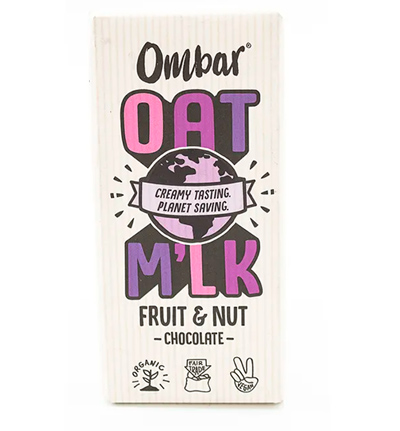
OMBAR - Chocolate with vegan ingredients (United Kingdom)
This vegan product uses part of its profits to conserve the rainforest from which the cocoa is extracted. It is a product that emits half the CO2 of a normal milk chocolate (2.2Kg CO2/kg).
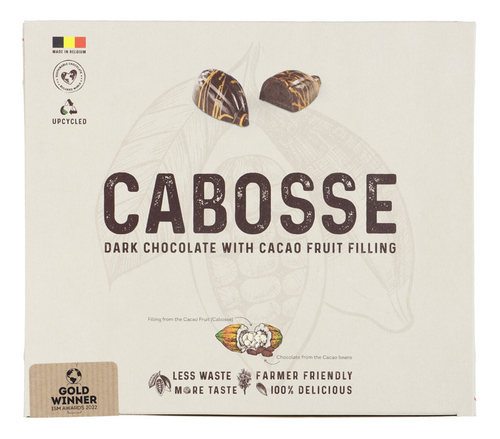
© CABOSSE – Sustainable chocolate with upcycled ingredients (Belgium)
Chocolates filled with cocoa fruit pulp. This product contains upcycled ingredients; up to 70% of the cocoa fruit pulp is typically wasted. This product repurposes this ingredient and reduces waste.
SUSTAINABLE CHOCOLATE AND WELL-BEING: THE BEST FOR YOU
The COVID-19 pandemic has led to a significant shift in consumer behavior and many people now prioritize their health and wellness more than ever before. This trend has led to an increased demand for products that offer functional benefits and can boost immunity, such as prebiotics, vitamins and minerals.
Products that offer reduced sugar or high protein content should also be considered.
"Nutritional value is already a driver when choosing products for many consumers."
This is already an established trend in many sectors in the West, along with the reduction in sugar or high protein content in new product launches. However, examples of new launches in line with this trend are appearing in regions such as India, North Africa and South East Asia.
Chocolate manufacturers have the opportunity to capitalize on this trend by developing innovative products with functional benefits while providing the taste and indulgence that are essential in this sector. An example of this would be incorporating prebiotics and probiotics into chocolate products, which can improve gut health and boost the immune system. This not only caters to the health-conscious consumer, but also provides a unique point of differentiation for the chocolate brand.
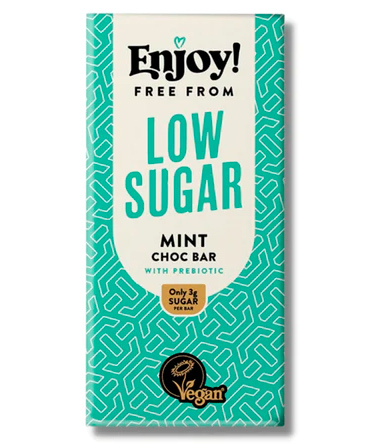
© ENJOY! FREE FROM - Chocolate with prebiotics and low sugar (UK)
Organic chocolate low in sugars. Contains prebiotic fibers (Inulin). There is also an Orange flavored version.
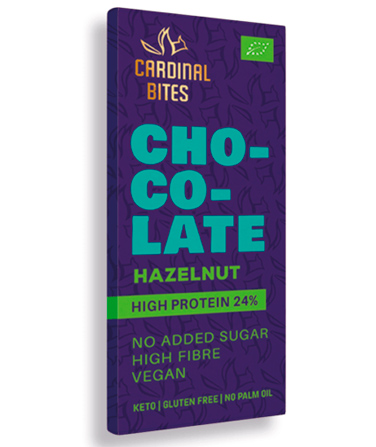
© CARDINAL BITES - High protein hazelnut flavor chocolate (Bulgaria)
High protein hazelnut flavor chocolate. Vegan product, high in protein and free from added sugars, gluten and palm oil.
FRUIT AND CHOCOLATE COMBINATIONS
The trend of incorporating fruit into chocolate has been gaining popularity in recent years, with consumers looking for healthier and more natural options. The use of fruit in chocolate preparation can create a variety of textures, from chewy and soft to crunchy and brittle.
An innovative approach to combining fruit and chocolate is through a process called drageeing. Fruit drageeing involves coating small pieces of fruit with chocolate, creating bite-sized candies that offer a pleasing balance of sweetness, tartness and texture. This process is popular with red fruits, such as blueberries, cherries and raspberries, which can be covered with dark, milk or white chocolate.
Fruits can be used as a center in different formats. For example, freeze-dried fruit can be coated with chocolate, creating a crunchy and tasty snack. This method of fruit dehydration maintains the nutritional and organoleptic properties to the maximum, as the process is not subjected to high temperatures.
Another very suitable format for dragee is URC (Ultra rapid Concentration) fruit. This variety of fruit is obtained through a process of concentration and mixing with other fruit ingredients such as fiber and pectin. Thus obtaining a paste with high ºBrix that has an ideal texture and format for processing. It is a microbiologically stable product and also has a high fruit content, in some cases up to 100% of the product contains ingredients from the same fruit.
Chocolate fruit dragees offer several innovation opportunities for chocolate companies:
- Developing unique flavor combinations: chocolate companies can experiment with different types of fruits and chocolate to create unique and innovative flavor combinations. For example, using dark chocolate with tart blueberries or sweet strawberries can create a rich and balanced flavor profile.
- Offering healthier options: Fruit panning allows the incorporation of more natural and healthy ingredients in chocolate products, such as fruits rich in vitamins or fiber.
© Perennial Daily Gut & Brain Health - Non-dairy drink (UK)
This plant based drink made from pea protein, soy and rice contains a patented combination of prebiotic fiber and Omega 3, which promotes digestive, bone and cognitive health.
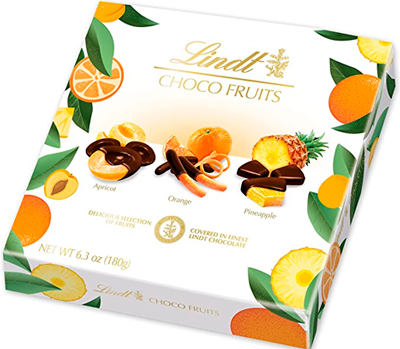
LINDT - Chocolate coated fruit (Austria)
Dehydrated fruit coated in dark chocolate. In this case, Apricot, Orange Peel and Pineapple.
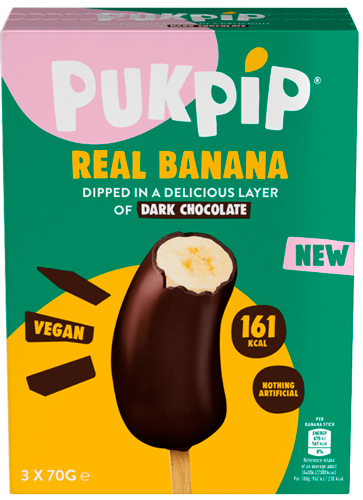
PUKPIP - Coated Banana Ice Cream (UK)
Frozen banana coated with dark chocolate. In stick ice cream format. The manufacturer uses imperfect bananas and reuses their skins. Comes in a recyclable pack.
FLAVORS AND TEXTURES FOR NEW EXPERIENCES
Despite the focus on healthier products, consumers still crave indulgent chocolate products.
The definition of well-being is increasingly broad and includes mental, emotional and spiritual health, and in the case of the confectionery sector - and in particular, the chocolate sector - helps to maintain a good state of health for the consumer through "mood-boosting" experiences. To achieve this experience, chocolate companies focus on the indulgence of their products. In that respect, consumers are willing to pay premium prices in exchange for highly indulgent products. Chocolate companies are responding to this trend by creating products that offer unique and intense flavor experiences, as well as products with interesting textures that enhance the taste and sensory experience.
On the other hand, we also see new examples focused on offering new experiences that allow the consumer to interact with the product, for example, by inviting the consumer to guess the flavor.
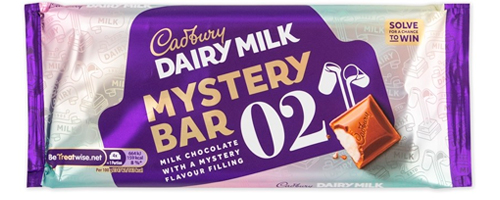
CADBURY - "Mystery taste" chocolate (UK)
These tablets, launched in summer 2022, invited consumers to guess what flavor they contained. This type of consumer interaction invites consumers to discover new sensations.
OPPORTUNITIES FOR INNOVATION IN THE CHOCOLATE MARKET
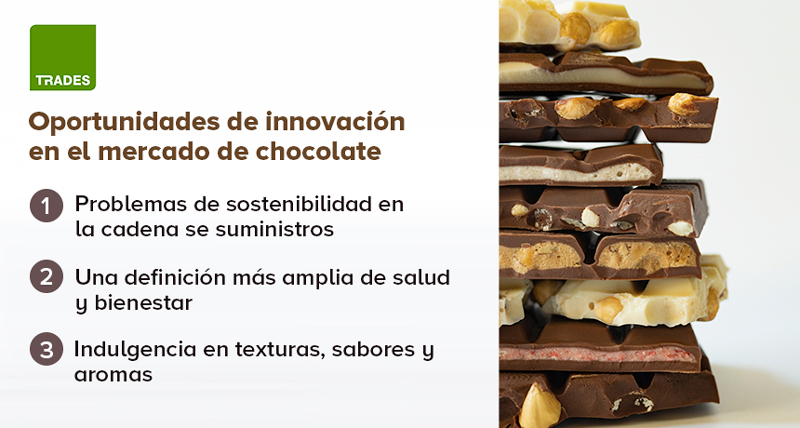
Now that we know the industry trends, let's look at the different opportunities for innovation in the chocolate market.
-
Sustainability issues in the supply chain
The confectionery world in general faces a number of challenges in terms of sustainability along the entire supply chain. Consumers are aware of the importance of these issues, but it is not one of their priorities when purchasing products in this sector. There is an opportunity for companies that can connect with consumers on these issues.
-
A broader definition of health and wellness
Consumers are increasingly aware of their health and well-being, especially since the first wave of the pandemic in 2020. The definition of health has taken on a much more holistic dimension and is not just about physical health. It also encompasses concepts such as mental or emotional/spiritual health. Companies wishing to take advantage of this aspect should focus on supporting mental-emotional well-being rather than the physical aspect.
-
Indulgence in textures, flavors and aromas
Whether it is a preference for a nostalgic experience or an innovative sensation, consumers will continue to experiment with confectionery that offers a variety of flavors, textures and aromas. They will also seek experiences that provide new ways to interact with the confectionery (new product formats).
Sustainable chocolate opens up new opportunities to combine indulgence, well-being, and environmental responsibility. The use of new raw materials, along with innovation in flavors and textures, will continue to drive the evolution of this category.