
In the current consumer context, purchasing dynamics have undergone a significant transformation. The post-crisis consumer faces a new landscape where purchasing decisions are more conscious, convenient and strategic.
Concentrated shopping has gained strength, with consumers preferring to shop at a single major chain, reducing visits to several stores.
In addition, demographic change is setting new consumption patterns. Childless senior households, which now represent a significant percentage of the population (45%), are changing product needs. This change is also generating a greater preference for regional supermarkets and local chains, where consumers value proximity and the supply of fresh, local products.
In parallel, private labels continue to be a popular option, as they offer good quality products at more affordable prices. However, despite these changes, one of the main challenges for retailers continues to be retaining consumers who, in the wake of the crisis, have returned to previous habits.
5 HEALTH-RELATED TRENDS IN THE FOOD INDUSTRY IN 2025
#1 WEIGHT CONTROL
Weight control has gained a prominent position as a major global health concern. In fact, there has been a a 10% increase in the launch of new food and beverage products that promote weight management, indicating that more consumers are looking for solutions to manage their physical health. Actions to control weight range from reducing sugar intake to regular exercise, and pursuing a nutritionally balanced approach.
In addition, the use of medications such as Ozempic (semaglutide), which was originally approved to treat type 2 diabetes, has increased in popularity for its effectiveness in weight loss. However, despite advances in medications and supplements, most consumers still rely on traditional methods, such as exercise and a balanced diet, to achieve their weight management goals.
2# SUGAR REDUCTION
In a world increasingly aware of the importance of a balanced diet, sugar reduction has become a top priority for consumers. In fact, one-third of consumers say that limiting or reducing unhealthy ingredients, such as sugars, salt, fat and alcohol, is the best way to turn indulgent products into healthier choices.
In addition, 22% of consumers believe that for a food and beverage (F&B) product to be healthy, it is most important that it has low levels of unhealthy ingredients such as sugar, salt or fat.
According to Innova Market Insights 202, the three most limited ingredients in consumers' diets globally are:
- SUGAR
- GRASA
- SAL/SODIUM
On the other hand, alternative sweeteners that replace refined sugar, such as cane sugar, brown beet sugar and stevia are the most widely accepted.
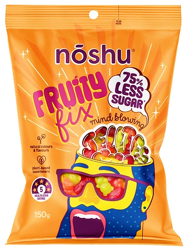
Assortment of jelly beans
Noshy
With 75% less sugar and monk fruit extract, an ingredient that is experiencing a boom in keto diets.
3# PROTEIN
The protein products industry in Spain is experiencing exponential growth, exceeding 300 million euros, with an impressive 26% year-on-year growth. In terms of household penetration, 30% of Spanish households have already integrated these protein products into their daily diet.
Within the expanding sectors, dairy products stand out, with yogurts and desserts moving 223 million euros. The meat products market is also evolving, especially in sliced products, which are seeing growing demand. In addition, there is a notable expansion of products in other categories such as canned fish, vegetable protein juices, and protein pasta and biscuits.
The landscape also shows a clear focus on diversification and new opportunities. Sports nutrition companies are expanding their offerings, targeting a broader audience, beyond athletes, who are looking for a healthy lifestyle. This diversification allows them to capture consumers interested in improving their nutrition without necessarily engaging in high-performance sports.
4# WOMEN'S HEALTH
Women's health is one of the most dynamic sectors in the health and wellness industry, with 12% annual growth in product launches aimed at women, especially in supplements and food and beverages. Of the new launches, 78% are supplements, while 22% focus on foods and beverages specifically designed for women. This growth is reflected in a market that is increasingly focused on the different stages of women's lives, seeking to meet the health needs of each vital phase.
According to a 2024 global survey, 35% of women are in the menopause stage, while 5% are in the pregnancy stage. This highlights the growing importance of products designed to address the needs of women at different stages of life. This approach has generated an expanding market that responds to both prevention and improvement of women's health, something that brands have begun to prioritize with the development of more targeted solutions focused on women's holistic wellness.

Jolly mom
Pre and post natal snack with 200mg of DHA for optimal development of the baby's brain and vision.
To take during and after pregnancy
5# SKIN HEALTH
Skin care has become a beauty priority for younger generations.
For Generation Z, skin health is one of their top priorities, while for Millennials, it ranks lower in their beauty and personal care interests. This growing demand has been accompanied by a significant increase in the number of products launched in Europe, where the compound annual growth rate (CAGR) of launches has been 17%.
The cosmetics industry continues to adapt to this trend, with more brands offering innovative solutions that promote skin health from the inside out, including ingredients such as collagen, vitamins and antioxidants.
#6 GUT-BRAIN AXIS
Digestive and emotional health are more connected than ever, and consumers know it. Today, digestive health is one of the top purchase drivers in the functional food sector, indicating that mental and emotional well-being is their most important health goal. This shift in focus shows how consumers are looking for products that not only benefit their bodies, but also contribute to their mental well-being.
The concept of the "Gut-Brain Axis" highlights the interconnection between what we eat, how we digest it and how that affects our mind. This link is leading to an increase in demand for functional ingredients that support both digestive and mental health.

Did you miss the webinar on Food Trends 2025?
Don't miss our webinar, where we talk about all the trends that will define next year's path in the food industry.
THE FUTURE OF INDULGENCE
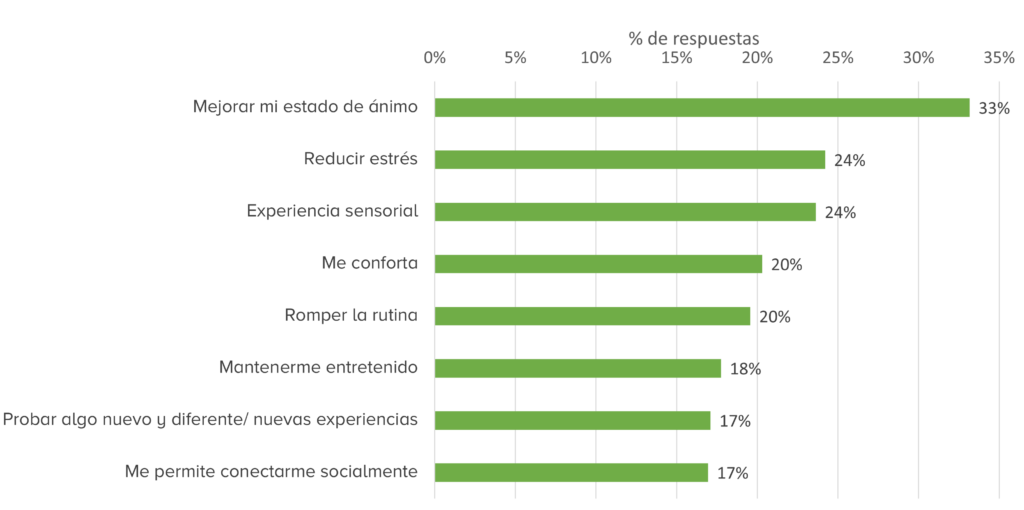
The graph presented here analyzes the main reasons that motivate European consumers to indulge. The predominant reason, with 33%, is to improve mood, followed by reducing stress (24%) and experiencing sensory sensations (24%).
In addition, personal comfort and breaking the routine also have a significant weight. Novelty and socialization appear as minor, albeit relevant, motivations. This is evidence that emotional and sensory well-being are the main drivers of indulgences, while exploring the new or connecting socially come in second place.
COMBINATION OF FLAVORS BETWEEN CATEGORIES
One of the most interesting trends in indulgence is cross-category flavor combinations, an approach that seeks inspiration from different sectors to reinvent products and experiences. This type of innovation not only appeals to creativity, but also allows consumers to enjoy new and exciting combinations that arouse their curiosity and increase the product's appeal.
For example, the hot beverage category has adopted this strategy to create unique offerings. A case in point is a beverage that takes inspiration from desserts by including brownie flavor.
These innovations redefine the boundaries of indulgence, offering consumers a blend of familiarity and surprise that transforms everyday moments into extraordinary experiences.

PASTRY INSPIRED ICE CREAM
Ben & Jerry's churray for churros
CONVENIENCE, A MUST IN THE NEW ERA
Today, convenience in eating is no longer an option but a necessity. This phenomenon is due to two main factors: the fast pace of life, which leaves little time to prepare complex meals, and a growing concern for health.
Consumers are looking for products that combine speed, simplicity and healthy benefits, from ready-to-eat meals to options that align with balanced and sustainable diets. This trend is transforming the food industry, driving innovation toward practical solutions without sacrificing quality or nutritional value.
SNACKING PHENOMENON
72% of consumers opt for smaller portions of indulgent snacks rather than choosing low-fat or low-sugar alternatives. This reflects a trend towards mindful consumption, where consumers prefer to enjoy the authentic taste of their favorite foods in controlled amounts, rather than compromise on taste or experience.
This change in habits underscores the desire for balance between indulgence and moderation, driving brands to offer solutions that combine pleasure with consumer control.
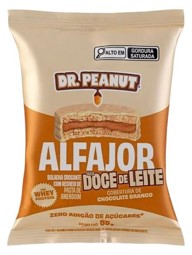
Dr.Peanut
Alfajor with white chocolate coating, dulce de leche flavor, no added sugars, with whey protein.
THE SUSTAINABLE FUTURE IN THE FOOD INDUSTRY
Climate change has become a major global concern, impacting both the environment and society. More than 50% of European consumers are willing to pay more for products that address issues such as animal cruelty, pollution and food waste. In addition, 1 in 2 consumers say that buying sustainable products makes them feel better about both themselves and the environment.
More than 70% of consumers show a clear preference for products with sustainable packaging, which has led to a significant increase in the use of recyclable, biodegradable and even edible materials.
The initial enthusiasm for plant-based alternatives is evolving toward a more natural and authentic approach. Brands are combating the perception of unnaturalness through clean labeling and the use of recognizable ingredients.
Manufacturers are responding to growing consumer interest in more responsible practices, with 50% of new product launches now incorporating sustainable packaging, reflecting a commitment to the environment. In addition, ethical and environmental claims on labels have increased at a double-digit rate, indicating that brands are being more open about their impact on the planet.
However, trust in major brands has declined markedly. More than a third of consumers have lost confidence in them in the last year due to growing concerns about greenwashing. This phenomenon, where companies make false or misleading environmental claims to gain consumer approval, has generated distrust and demands a genuine and verifiable commitment to sustainability.

Looking for ingredients to develop a product in line with new trends?